
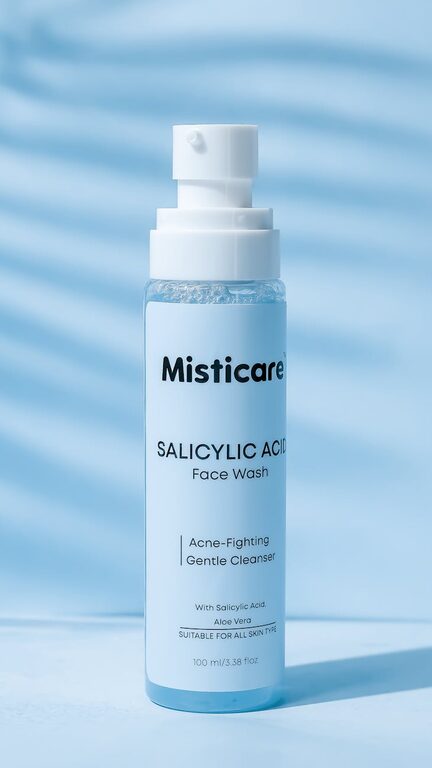
Starting a skincare routine can feel overwhelming with so many products and advice out there. But good news—building a basic skincare routine is simple and doesn’t require a cabinet full of products. A consistent routine tailored to your skin type can help keep your skin healthy, hydrated, and glowing.
In this post, we’ll guide you through the essential steps of a basic skincare routine. Whether you’re a beginner or just want to simplify your routine, these tips will help you get started easily and effectively.
Why Start a Skincare Routine?
Your skin works hard every day to protect you from environmental factors like sun exposure, pollution, and dryness. A skincare routine helps:
– Cleanse dirt, oil, and makeup
– Hydrate and nourish your skin
– Protect from damage and signs of aging
– Improve your skin’s texture and glow
Even a simple routine can make a big difference with regular care.
Know Your Skin Type
Before choosing products, it’s helpful to understand your skin type:
– Normal: Balanced, not too oily or dry
– Dry: Flaky, tight, or rough areas
– Oily: Shiny skin, enlarged pores, prone to breakouts
– Combination: Oily in some areas (usually T-zone), dry in others
– Sensitive: Easily irritated, redness, or itching
Knowing your skin type helps you pick products that work best for you.
Basic Skincare Routine Steps
A basic skincare routine usually consists of three core steps: cleansing, moisturizing, and sun protection. Here’s how to approach each one.
1. Cleansing
Why it’s important:
Cleansing removes dirt, oil, sweat, and environmental pollutants from your skin. It helps prevent clogged pores and breakouts.
How to choose a cleanser:
– For dry or sensitive skin: Choose a gentle, hydrating cleanser that won’t strip natural oils. Cream or lotion cleansers work well.
– For oily or combination skin: Try a foaming or gel cleanser to control oil.
How to use:
– Wash your face twice daily—in the morning and before bedtime.
– Use lukewarm water and your fingertips, not a washcloth or sponge, to avoid irritation.
– Be gentle—avoid scrubbing harshly.
2. Moisturizing
Why it’s important:
Moisturizer hydrates your skin and helps lock in moisture. It supports your skin’s barrier to protect against dryness and irritation.
How to choose a moisturizer:
– For dry skin: Use richer creams or ointments that provide extra hydration.
– For oily or acne-prone skin: Opt for lightweight, oil-free, or gel-based moisturizers.
– For sensitive skin: Choose fragrance-free and gentle formulas.
How to use:
– Apply moisturizer on clean skin after cleansing.
– Use enough to cover your face and neck.
– You can apply moisturizer twice a day—morning and night.
3. Sun Protection
Why it’s important:
Sun exposure is one of the leading causes of premature skin aging and damage. Applying sunscreen daily helps protect your skin from UV rays, which can cause dark spots, wrinkles, and increase the risk of skin cancer.
How to choose sunscreen:
– Use broad-spectrum sunscreen that protects against UVA and UVB rays.
– Choose SPF 30 or higher.
– For oily skin, look for oil-free or non-comedogenic sunscreens.
– For dry skin, moisturizing sunscreens can add hydration.
How to use:
– Apply sunscreen every morning as the last step in your routine, even on cloudy days.
– Use about a teaspoon for your face and neck to ensure full coverage.
– Reapply sunscreen every two hours if you are outside.
Optional Add-Ons for Your Routine
Once you’re comfortable with the basics, you can consider adding some simple extras:
Exfoliation
– Use a gentle exfoliator 1-2 times per week to remove dead skin cells. This helps improve skin texture and brighten your complexion.
– Options include physical exfoliants (scrubs) or chemical exfoliants (products with AHAs or BHAs). Be gentle to avoid irritation.
Serums
– Serums contain concentrated ingredients that target specific concerns like dullness, dark spots, or fine lines.
– Vitamin C serums are a popular choice for brightening skin.
– Apply serums after cleansing and before moisturizing.
Eye Cream
– The skin around your eyes is delicate and may benefit from a separate moisturizing eye cream to reduce puffiness or dryness.
– Use a small amount morning and night if desired.
Tips for Success
– Be consistent. Daily care is key for long-term benefits.
– Patch test new products. Apply a small amount to your inner forearm to check for reactions.
– Don’t overload your skin. Start with a few products and add more gradually.
– Stay hydrated and eat a balanced diet. Good skin care also comes from within.
– Clean your makeup tools regularly to avoid bacteria buildup.
When to See a Dermatologist
If you have persistent skin issues like severe acne, eczema, or irritation that doesn’t improve with a basic routine, it’s a good idea to consult a dermatologist. They can recommend treatments tailored to your specific skin needs.
Final Thoughts
Starting a basic skincare routine doesn’t need to be complicated or expensive. Focus on cleansing, moisturizing, and protecting your skin from the sun. With regular care and attention, you’ll enjoy healthier, glowing skin that feels comfortable and looks radiant.
Remember, every person’s skin is unique. Feel free to experiment gently and find products that work best for you. Give your skin the love it deserves—starting today!